
Haptic branding is quickly becoming the secret weapon for modern marketers. In a world saturated with visual noise and audio clutter, smart brands are turning to the one sense that cannot be turned off: touch.
Have you ever wondered why holding a heavy credit card feels more luxurious than a plastic one? Or why the unboxing experience of an iPhone feels almost ceremonial? This isn’t an accident; it is a carefully calculated psychological strategy.
In this guide, we will explore exactly what haptic branding is, why it works, and how you can implement it to increase sales and customer loyalty.
Table of Contents
- What is Haptic Branding?
- The Psychology of Touch
- Why Haptic Branding Matters in 2026
- 7 Examples of Haptic Branding in Action
- Implementing Touch in a Digital World
- Conclusion
What is Haptic Branding?
Haptic branding refers to the use of touch and tactile sensations to communicate a brand’s identity and values. While traditional marketing focuses heavily on sight (logos, colors) and sound (jingles, voiceovers), haptic marketing targets the somatosensory system—the part of the brain responsible for processing touch.
It goes beyond just the product itself. It encompasses the weight of your business card, the texture of your packaging, the finish on your product, and even the vibration feedback on a mobile app.

When a customer physically interacts with a product, they are not just feeling a material; they are feeling your brand’s personality. Is it rugged and durable? Is it silky and sophisticated? Haptic branding answers these questions without saying a word.
The Psychology of Touch
To understand why haptic branding is so effective, we must look at the “Endowment Effect.”
Psychologists have found that the moment we touch an object, we begin to feel a sense of ownership over it. The longer we hold it, the more value we assign to it. This is why car salesmen want you to take a test drive, and why clothing stores want you to try on the jacket.
The Science of “Peck and Touch”
Research shows that up to 50% of our brain is devoted to processing sensory stimulation. By ignoring touch, marketers are ignoring half of the brain’s processing power.
- Weight implies value: Heavier objects are generally perceived as higher quality.
- Texture implies emotion: Soft textures can soothe, while rough textures can excite or signal durability.
By mastering haptic branding, you create a subconscious bridge between the consumer and the purchase button.
Why Haptic Branding Matters in 2026
We are living in an increasingly digital, touch-deprived era. As e-commerce continues to dominate, physical touchpoints are becoming rarer, making them significantly more valuable.
Integrating haptic branding into your strategy helps you stand out. When a customer receives a package that feels distinct, it creates a “sticky” memory. This tactile memory is often more durable than visual memory.
- differentiation: In a sea of smooth glass screens, texture stands out.
- Trust: Physicality builds trust. A flimsy product feels cheap; a solid product feels reliable.
- Engagement: Touch requires active engagement, whereas sight can be passive.
7 Examples of Haptic Branding in Action
How are top companies utilizing haptic branding to dominate their markets? Here are seven powerful examples:
1. Apple’s Unboxing Experience
Apple is the king of haptics. From the specific friction of the box lid (which slides off slowly to build anticipation) to the cool touch of the aluminum chassis, every element is engineered.
2. Luxury Credit Cards
Companies like American Express or Chase Sapphire use metal cards. The sheer weight of the card when you drop it on the table signals status and wealth. This is haptic branding at its finest.
3. Coca-Cola’s Contour Bottle
Even in the dark, you know you are holding a Coke. The shape of the bottle is a tactile trademark that has survived for over a century.
4. Sephora and Cosmetic Textures
In the beauty industry, the “hand feel” of a bottle—whether it is matte, rubberized, or glossy—tells the customer what the product will do for their skin before they even open it.
5. Automotive Steering Wheels
Car manufacturers spend millions designing the texture of a steering wheel. It is the primary point of contact for the driver and conveys the car’s handling and quality.
6. Sound via Touch (Bang & Olufsen)
High-end audio equipment often uses distinct fabrics and cold metals. The touch reinforces the promise of crisp, clean sound.
7. Embossed Book Covers
Publishers use haptic branding by embossing titles or using “soft-touch” lamination on covers to make a book feel irresistible in a bookstore.
How to Implement Haptic Branding in Digital Spaces
You might be asking, “I run an online business; how does this apply to me?” Interestingly, haptic branding is evolving into “Haptic Feedback” for digital products.
The Role of Haptic Feedback
Have you ever noticed the slight vibration when you “like” a post on Instagram, or the click you feel when you press the home button on a newer iPhone (which isn’t actually a button)? That is haptic feedback.
Here is how you can use it:
- App Interaction: Use vibration to confirm actions (purchases, likes, saves).
- Visual Texture: Use high-resolution photography that highlights texture. Show the grain of the wood or the weave of the fabric.
- Language: Use tactile words in your copy. Instead of saying “This shirt is nice,” say “This shirt features a buttery-soft cotton blend.”
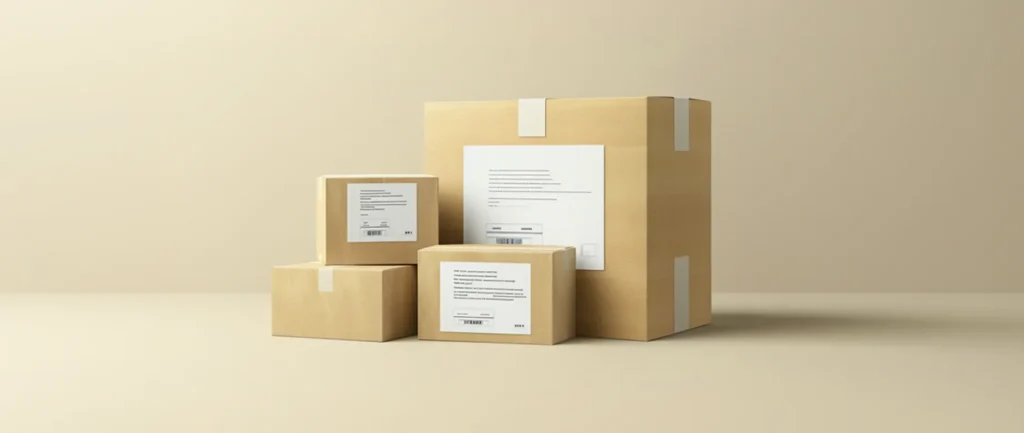
Direct Mail and Packaging
For e-commerce, your packaging is your only haptic touchpoint.
- Upgrade your tissue paper: Go for higher density.
- Use stickers: A raised, embossed sticker adds a moment of pause.
- Thank you notes: A handwritten note on thick cardstock is far more memorable than a printed slip.
Conclusion
Haptic branding is not just a trend; it is a return to the fundamentals of human experience. In a digital world, we crave physical connection. By ignoring the sense of touch, you are leaving money and brand loyalty on the table.
Whether you are designing a physical product, creating a luxury unboxing experience, or coding a mobile app, ask yourself: What does my brand feel like?
Start small. Review your business cards, your packaging, or your product materials. Investing in haptic branding today ensures your brand is not just seen, but felt and remembered tomorrow