
7 Secrets to Master ASO for AI Agents: The Future of App Growth
We have spent the last decade obsessed with keywords, screenshots, and ratings to please human users. But in 2026, the first “user” to encounter your app might not be a human at all. It will likely be an AI. If you are not optimizing for this shift, you are invisible. Welcome to the era of ASO for AI Agents.
The landscape of app marketing is shifting beneath our feet. While your competitors are still A/B testing screenshot colors, the smartest brands are quietly re-architecting their digital presence to be readable by Large Language Models (LLMs) and AI assistants. This is no longer science fiction; it is the new baseline for technical marketing.
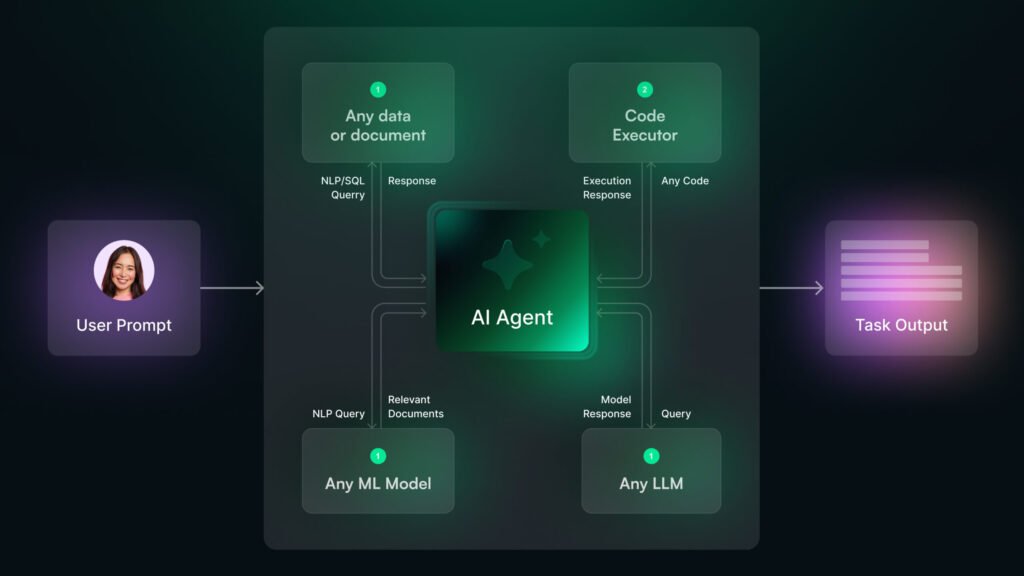
Table of Contents
- What is ASO for AI Agents?
- Why Traditional ASO is Failing in the AI Era
- The Technical Core: Agent-Ready APIs
- Optimizing Your Manifest for AI Context
- The New “Keywords”: Intent Mapping
- Case Study: The Future of Booking
- Conclusion: The First Mover Advantage
What is ASO for AI Agents?
ASO for AI Agents is the process of structuring your app’s code, APIs, and metadata so that artificial intelligence assistants (like Google Gemini, ChatGPT, or Apple Intelligence) can understand what your app does and—crucially—execute tasks on behalf of the user.
Unlike traditional App Store Optimization (ASO), which focuses on visual appeal and keyword stuffing for human searchers, ASO for AI Agents focuses on functional readability. It asks: Can an AI look at your app and know exactly how to “press the buttons” via code?
Note: If an AI agent cannot access your app’s functions via an API or deep link, it will recommend a competitor’s app that it can access.
Why Traditional ASO is Failing in the AI Era
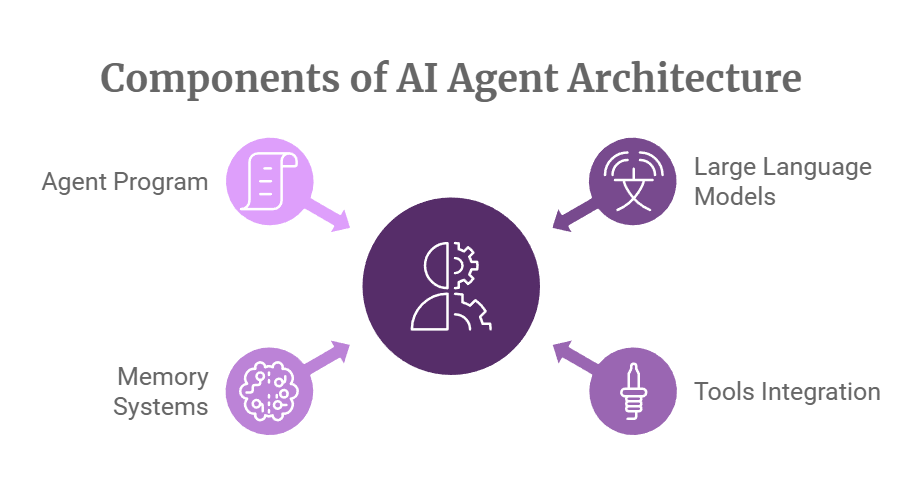
The traditional app store model is becoming a “dumb pipe.” Users are increasingly asking their AI assistants to “Book a ride to the airport” or “Order my usual salad.”
In this scenario, the user never opens the App Store. They never see your icon. They never read your witty description. The AI simply selects the app that offers the easiest path to task completion.
If you have ignored ASO for AI Agents, the AI will perceive your app as a “walled garden”—a black box it cannot enter. It will bypass you entirely. To rank in this new world, you must move from “Download our App” to “Connect our Agent.”
The Technical Core: Agent-Ready APIs
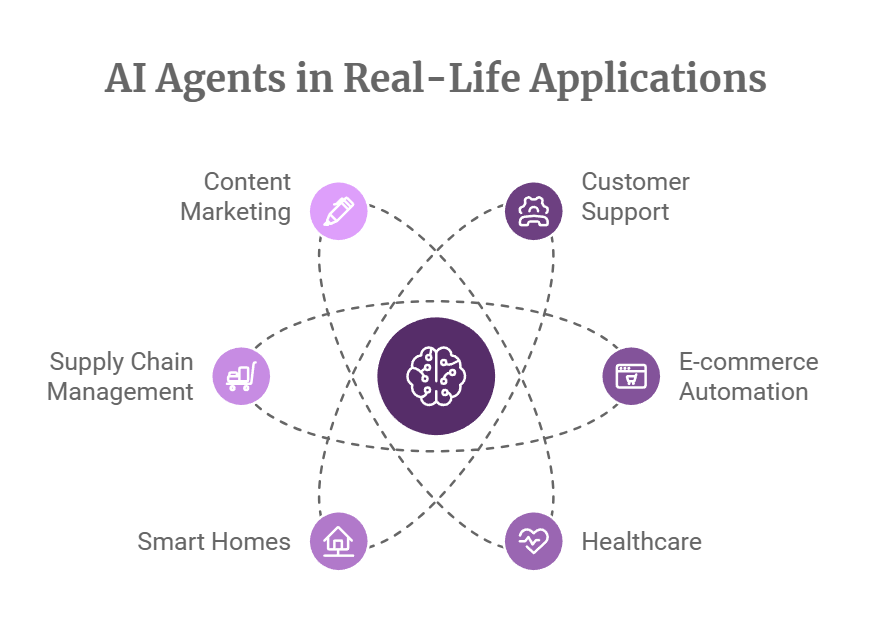
The single most critical factor in ASO for AI Agents is the accessibility of your API. Marketing teams must stop viewing APIs as purely engineering tools and start viewing them as public-facing marketing brochures.
To succeed, your engineering team must expose “Hooks” that external agents can grab onto.
- Standard ASO: “We have a great search bar.”
- ASO for AI: “We have a publicly documented endpoint for
/search?query=.”
When an AI analyzes your digital footprint, it looks for these endpoints to determine if it can reliably perform tasks for the user. If your app is “headless” (able to run without the UI), you will rank higher in AI recommendations.
Optimizing Your Manifest for AI Context
Just as you optimize your HTML tags for Google Search, you must optimize your manifest.json and robots.txt for AI. This is a pillar of ASO for AI Agents.
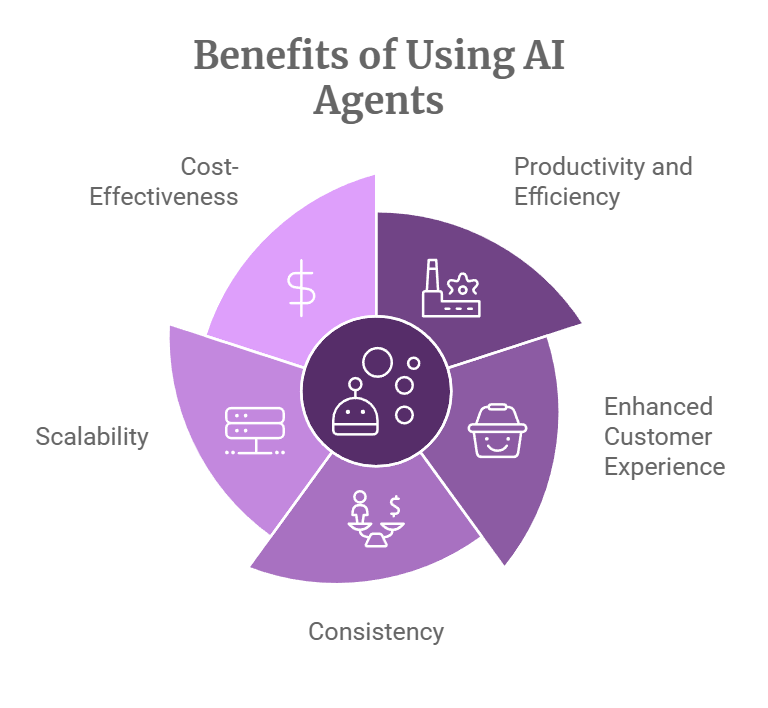
Your manifest file is often the first thing a crawler reads. Instead of just technical configuration, inject “Context Tags” that explain the purpose of your app in natural language.
Example of Optimized Code:
By enriching your metadata with clear, functional descriptions, you increase the confidence score the AI assigns to your app when a user asks for help with travel.
The New “Keywords”: Intent Mapping
In traditional marketing, we target keywords like “cheap flights.” In ASO for AI Agents, we target Intents.
An intent is a specific goal the user wants to achieve. Your job is to map your app’s deep links to these specific intents. Apple’s SiriKit and Android’s App Actions are the precursors to this.
Top 3 Intents to Map:
- Transactional Intents: “Buy,” “Book,” “Reserve.”
- Informational Intents: “Check status,” “Track order.”
- Navigation Intents: “Open my profile,” “Show ticket.”
For effective AI marketing strategies, you must ensure your deep links are perfectly labeled. If a user says “Check my flight,” and your app opens to the home screen instead of the specific flight details page, the AI marks that as a failure.
Case Study: The Future of Booking
Let’s look at a hypothetical comparison to see ASO for AI Agents in action.
- App A (Traditional): Has a beautiful icon and 5-star reviews. To book a table, the user must download the app, create an account, and tap through 4 screens.
- App B (AI-Optimized): Has a simple UI but robust “App Actions.” The user tells their AI, “Book a table for two at App B.” The AI sends a JSON packet to App B’s API, confirms the reservation, and shows the user the receipt.
In 2026, App B wins 90% of the time. The friction of the download is removed. The marketing advantage is purely technical.
Conclusion: The First Mover Advantage
The window to own this space is narrowing. Most companies are still distracted by generating images with AI, rather than optimizing for AI.
By implementing ASO for AI Agents today, you are not just improving your tech stack; you are future-proofing your customer acquisition. The brands that teach the machines how to use their products will be the ones that survive the next platform shift.